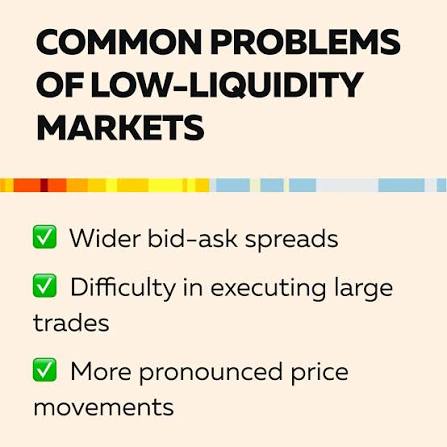
When you watch a live price feed, the gap between the buy and sell price looks like a permanent fixture of the platform. However, that distance is entirely dependent on the volume of orders flowing behind the scenes. Recognizing how sudden drops in that order flow instantly inflate your transaction costs is the key to dodging costly entry pitfalls.
What exactly is liquidity in the trading world, and why does it control the spread?
Think of liquidity simply as the number of active buyers and sellers willing to trade an asset at any given moment. In a crowded, busy market place, matching your order with someone else’s takes less than a millisecond because thousands of people are competing for business.
The bid-ask spread operates exactly like a convenience premium or a service fee that market makers pocket for matching your order on demand. If millions of orders flood the network, those market makers can compress their margins because their risk of getting stuck with an unwanted position is practically zero. High liquidity naturally forces the buy and sell prices right next to each other. When you look at what is a spread in trading, you quickly learn that the entire pricing gap is just a visual representation of how easy—or hard—it is to execute a trade at that exact second.
Why does a sudden lack of liquidity cause that price gap to balloon so fast?
Markets rely on a structural queue called the order book, which lists all the pending buy and sell offers at various prices. When liquidity evaporates, that queue thins out drastically, leaving empty spaces between the available price levels.
Imagine visiting a popular tourist spot where twenty street vendors are all selling the exact same bottled water. Because they are competing side-by-side, they will keep their prices low and uniform. If nineteen of those vendors suddenly pack up and leave, the lone remaining vendor can instantly double their price because they know they face zero competition. This is precisely what happens when institutional liquidity providers pull back from their terminals during off-peak hours or major economic news. The closest available buy and sell orders sit much further apart, forcing the retail spread to blow open instantly.
When are retail traders most vulnerable to these sudden liquidity dry spells?
The most common trap happens during the daily market rollover period, which occurs right as the trading day closes in New York. Major global banks briefly pull their order feeds offline to roll contracts into the next calendar day, causing a massive, temporary drop in market depth.
Another highly dangerous window happens right before major macroeconomic data prints, such as inflation or employment reports. Smart institutional algorithms do not like gambling on binary news results, so they delete their pending orders to protect themselves from sudden price gaps. Trading during these specific pockets means you are walking into an uncompetitive environment where transaction costs are heavily stacked against you. Partnering with low spread forex brokers can buffer you from the worst structural retail widenings, but no platform can completely manufacture order volume when the broader global interbank network runs dry.
How does this sudden spread expansion physically impact my active positions?
An unexpected surge in the spread can interact aggressively with your risk management settings, closing out trades that should have survived. Your platform monitors both a buy price and a sell price, even if your chart only plots a single line by default.
If you are holding a short position, your trade is closed using the higher buy (ask) price. Suppose a sudden liquidity crunch hits and the spread balloons by ten pips in a fraction of a second. That sudden expansion can pull the ask price up into your protective stop-loss, terminating your position instantly even if the primary trend line on the chart never moved. It is an incredibly frustrating way to lose capital, and it usually happens because a trader used a stop-loss that was far too tight for that specific time of day.
What is the safest way to execute trades when I suspect liquidity is thinning?
The absolute best defense against a thin order book is abandoning aggressive market orders entirely. Clicking a market order tells the platform you demand an instant execution at any cost, forcing you to accept whatever poor, distant price happens to be sitting on top of a hollow order book.
Instead, look to deploy patient limit orders. A limit order acts like a firm financial boundary, telling the broker you are only willing to buy or sell if the market satisfies your exact price target or better. If the spread explodes, your limit order simply sits untouched in the queue until normal volume returns and the pricing stabilizes. This approach might mean you occasionally miss out on a rapid, unpredictable price surge, but it guarantees you never pay an inflated execution penalty to a hollow market.
Practical Takeaway
Pull up your platform’s diagnostic tools and track how the pips shift on your favorite pairs across the different trading sessions. Make it a hard rule to avoid opening new positions or leaving tight stop-losses active during the afternoon rollover window and right before high-impact economic statements. By prioritizing execution via limit orders and stepping aside when the order book thins out, you force the market to trade on your terms, preserving your capital base and letting your strategies operate in a clean, high-volume environment.