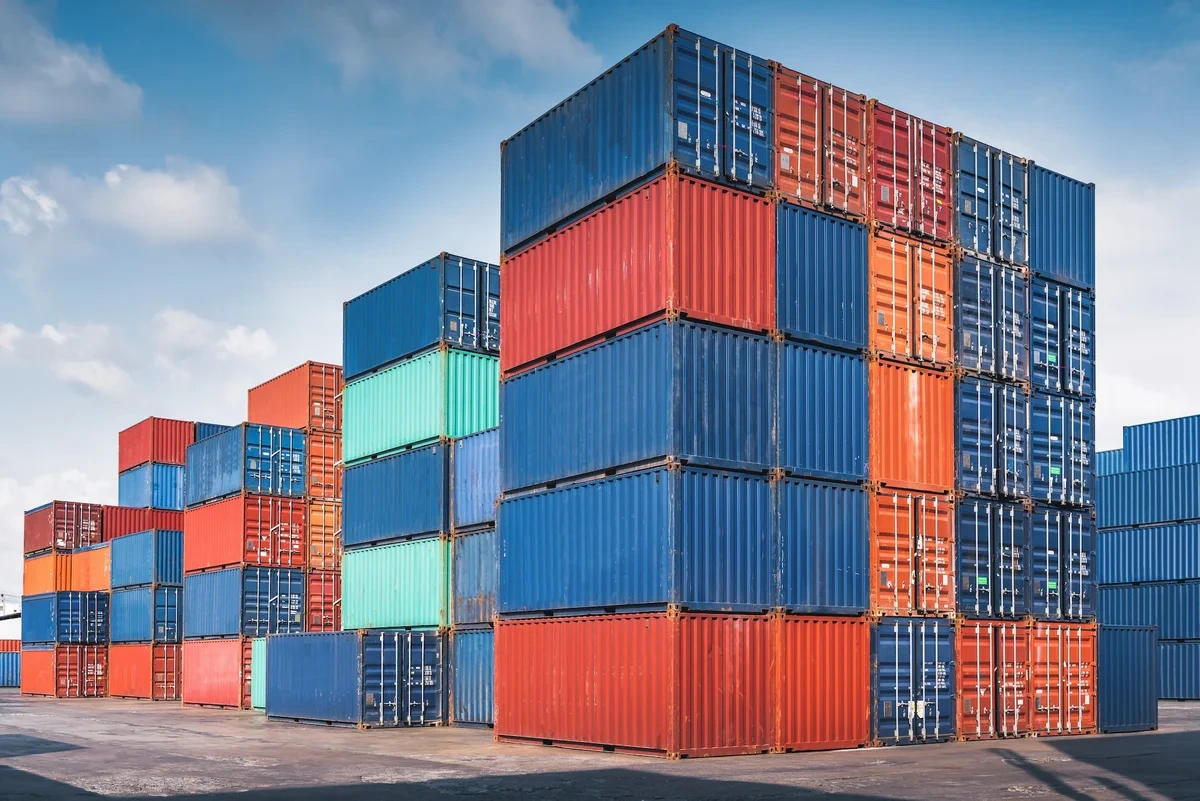
Every growing business reaches a point where additional space becomes necessary. A warehouse begins running out of storage capacity, a construction company needs a temporary site office, a retailer requires extra inventory space, or a manufacturer wants to expand operations without committing to a major construction project. Traditionally, the solution was to build a permanent structure, but today’s business environment is changing that mindset. Companies are now looking for solutions that offer speed, flexibility, and long-term value instead of lengthy construction timelines and fixed infrastructure.
This shift has placed shipping containers at the center of modern commercial planning. Once used exclusively for transporting cargo across oceans, these steel structures have evolved into versatile business assets that support countless industries. Their strength, mobility, and adaptability allow organizations to create practical workspaces, storage facilities, equipment shelters, workshops, and operational hubs in a fraction of the time required for conventional buildings.
As businesses continue adapting to changing market demands in 2026, investing in flexible infrastructure has become more important than ever. Rather than locking capital into permanent buildings that cannot easily adapt to future requirements, many companies are choosing modular solutions that can evolve alongside their operations.
Modern Businesses Need Infrastructure That Can Change
Business growth rarely follows a straight path. A company may expand into a new market, launch seasonal operations, relocate a project site, or increase inventory faster than expected. Traditional buildings are designed to remain in one location for decades, making them less practical when operational needs continue changing.
Modular infrastructure offers a different approach. Businesses can increase capacity, relocate facilities, or reconfigure workspaces without starting an entirely new construction project.
This flexibility allows organizations to respond more quickly to changing opportunities while reducing unnecessary delays.
Faster Deployment Means Faster Business Growth
Construction projects often require months of planning, permitting, site preparation, and building work before becoming operational.
For companies working on tight schedules, waiting several months for additional space can slow expansion and delay important projects.
Container-based facilities can often be prepared and installed much faster, allowing businesses to begin using new space within a significantly shorter timeframe.
Earlier operational readiness often translates into improved productivity and quicker returns on investment.
Mobility Creates Long-Term Value
One of the greatest limitations of permanent construction is that it remains fixed in one location.
Many industries—including construction, mining, agriculture, logistics, and infrastructure development—operate across multiple project sites.
Instead of constructing new facilities every time operations move, businesses can relocate modular units wherever they are needed.
This mobility extends the useful life of infrastructure while supporting long-term operational flexibility.
Supporting Multiple Business Functions
Modern containers have evolved far beyond simple storage.
Today they can support a wide variety of commercial applications, including:
- Secure inventory storage
- Construction site offices
- Equipment shelters
- Maintenance workshops
- Retail pop-up locations
- Mobile classrooms
- Medical support facilities
- Agricultural storage
- Portable workshops
- Logistics support centers
Their versatility allows businesses to solve multiple operational challenges using a single adaptable platform.
Durability That Performs in Challenging Environments
Commercial infrastructure must withstand demanding conditions.
Heavy rain, strong winds, extreme temperatures, dust, and continuous outdoor exposure can quickly affect conventional temporary structures.
Originally engineered for international cargo transportation, containers are manufactured using high-strength steel designed to endure harsh marine environments and long-distance shipping.
That durability makes them well suited for demanding industrial and commercial applications.
Expansion Without Major Disruption
Growing businesses rarely want expansion projects to interrupt daily operations.
Traditional construction often creates noise, restricted access, equipment movement, and extended work schedules that may interfere with normal business activities.
Modular facilities can frequently be installed with minimal disruption, allowing organizations to continue serving customers while expanding available space.
Maintaining operational continuity remains an important advantage for businesses operating in competitive markets.
Smarter Financial Planning
Infrastructure investments should continue creating value for many years.
Instead of investing significant resources into permanent structures that may eventually become oversized or underutilized, businesses increasingly prefer scalable solutions that adapt alongside operational growth.
Expandable infrastructure supports more efficient capital planning while reducing the risks associated with unpredictable future requirements.
Flexibility itself has become a valuable business asset.
Sustainability Is Influencing Construction Decisions
Environmental responsibility now plays a larger role in commercial development.
Repurposing durable steel structures helps extend the useful life of existing materials while reducing the demand for additional construction resources.
Many organizations include modular infrastructure within broader sustainability initiatives because it supports practical resource utilization without compromising operational performance.
This approach aligns business growth with responsible environmental practices.
Customization Meets Industry-Specific Needs
No two businesses operate exactly alike.
Modern container solutions can be configured to accommodate a wide variety of operational requirements through insulation, electrical systems, climate control, shelving, security upgrades, personnel access doors, windows, ventilation, specialized flooring, and customized layouts.
This level of adaptability allows organizations to create work environments designed specifically around their daily operations instead of forcing operations to fit a standard building design.
Building for the Future Instead of the Present
Successful organizations plan several years ahead.
Markets evolve, customer expectations change, technology advances, and operational priorities shift over time.
Infrastructure that supports these changes provides far greater long-term value than facilities designed only for today’s requirements.
Businesses investing in shipping containers are often preparing for flexibility rather than permanence. They recognize that future success depends not only on having enough space but also on having infrastructure capable of adapting as opportunities evolve.
Conclusion
The role of containers has expanded far beyond global transportation. They have become practical infrastructure solutions that help businesses respond faster, expand more efficiently, and operate with greater flexibility than many traditional building methods allow.
As commercial operations continue evolving throughout 2026, companies are increasingly prioritizing infrastructure that can adapt to changing business demands. Whether supporting storage, offices, workshops, logistics, or specialized operations, modular solutions provide a balance of durability, scalability, and operational efficiency that modern businesses value. Investing in adaptable infrastructure today helps organizations remain prepared for tomorrow’s opportunities without the limitations often associated with permanent construction.
Frequently Asked Questions
1. Why are businesses choosing containers instead of permanent buildings?
They provide greater flexibility, faster deployment, mobility, and scalability for changing business needs.
2. Which industries benefit most from container-based infrastructure?
Construction, logistics, manufacturing, agriculture, mining, retail, education, healthcare, and emergency response all use container solutions for different operational purposes.
3. Can containers be customized for commercial use?
Yes. They can be modified with insulation, electrical systems, HVAC, windows, doors, shelving, lighting, and customized interior layouts.
4. Are container facilities suitable for long-term business operations?
High-quality container structures are built from durable steel and can provide reliable long-term performance when properly maintained.
5. Why is modular infrastructure becoming more popular?
Modern businesses value solutions that can expand, relocate, and adapt quickly while minimizing disruption and supporting long-term operational flexibility.