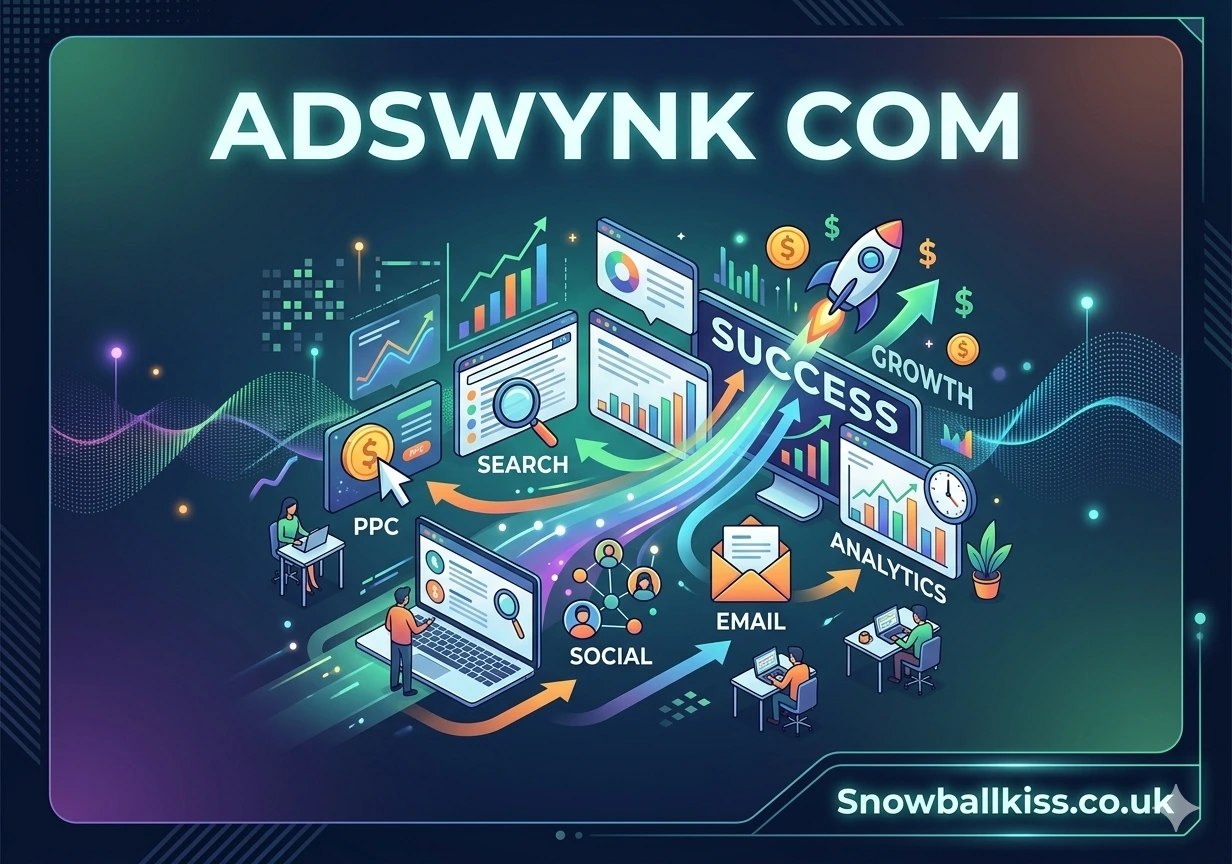
Adswynk Com has started appearing in online searches as people look for ways to understand what the site does, how it works, and whether it is safe to use. Some online sources describe it as a digital advertising or link monetization platform, while others discuss it as a URL shortener that may display ads before redirecting visitors. This review explains the platform in simple language, covers its possible features and uses, and highlights the safety checks users should consider before creating an account or sharing links.
What Is Adswynk Com?
Adswynk Com appears to be connected with online advertising and link monetization. In simple terms, platforms in this category allow users to shorten links and share them across websites, social media, blogs, or messaging platforms. When someone clicks the shortened link, the visitor may see an advertisement before reaching the final page. The link owner may earn a small amount from valid ad views or clicks, depending on traffic quality and platform rules.
This type of platform usually serves two groups. Publishers want to earn money from their traffic, while advertisers want to place ads in front of online users. The platform acts as the middle layer between both sides. However, users should not treat every link monetization platform as equal. Some have long payment histories, clear company details, and strong support. Others may have limited transparency, mixed user feedback, or unclear policies.
A Simple Explanation for Beginners
Imagine you have a blog, YouTube description, Telegram group, Facebook page, or online community where people regularly click links. Instead of sharing a normal long URL, you use a monetized short link. When someone clicks it, they pass through an ad page before reaching the content. If the platform counts the visit as valid, your account may receive earnings.
This model sounds simple, but results depend heavily on real traffic. A link with no visitors earns nothing. A link with fake clicks, bot traffic, or misleading promotion may lead to account suspension. Serious users need clean traffic, honest link descriptions, and patience.
How the Platform May Work
Most monetized link platforms follow a similar workflow. A user signs up, pastes a destination URL into the dashboard, and receives a shortened version of that link. The user then shares the shortened link in places where people may click it naturally. The dashboard tracks clicks, impressions, possible earnings, traffic country, and other performance details.
When visitors click the link, the platform shows an advertisement for a short time. After that, it redirects them to the original destination. The platform earns advertising revenue and may share a portion with the link creator. This is usually known as revenue sharing. The payout may depend on country, advertiser demand, valid clicks, and the platform’s internal rules.
Why Traffic Quality Matters
Traffic quality matters more than raw click numbers. A few real clicks from engaged users may be more valuable than hundreds of low-quality or accidental clicks. Advertisers usually prefer visitors from countries with stronger ad markets, clear interests, and higher buying power. That means traffic from the United States may perform differently from traffic from regions with lower advertising demand.
Users should also understand that monetized links can create friction. Some visitors dislike waiting through ads before reaching content. If you use these links too aggressively, people may stop trusting your links. This is why link monetization works better when users share helpful content and remain transparent.
Key Features of Adswynk Com
The main appeal of Adswynk Com seems to come from its possible combination of link shortening, ad display, and performance tracking. A good platform in this space should make it easy to create short links, organize campaigns, view analytics, and understand which links perform best. For beginners, a simple dashboard can reduce confusion and make basic monetization easier to test.
A useful dashboard should show clicks, impressions, estimated earnings, countries, devices, and referral sources. These details help users see where their traffic comes from and which content drives engagement. Without analytics, users cannot improve their strategy. They would only be guessing, which is a weak way to manage any digital income method.
Link Shortening and Tracking
Link shortening is the basic feature. It turns a long and messy URL into a shorter version that looks cleaner and is easier to share. This helps on social media, in video descriptions, and in online posts where space matters. However, the short link should still feel trustworthy.
Tracking adds more value. It helps users understand how many people clicked, where those visitors came from, and which links worked best. For example, a creator may learn that links shared in a newsletter perform better than links shared in a random comment section. That insight helps improve future content.
Advertising and Monetization
The monetization layer usually comes from ads shown before the final destination. The user does not earn simply by creating a link. The link must receive valid traffic, and the platform must accept those interactions as genuine. This is where many beginners misunderstand the model.
A platform may reject fake traffic, repeated clicks, bots, proxy traffic, or misleading link promotion. Users who try to game the system usually damage their own accounts. The better approach is to share links where people already trust your content. For example, a blog post, resource page, tutorial, or active social audience may produce cleaner results than spammy link drops.
Common Uses for Creators and Marketers
Adswynk Com may appeal to content creators who already share links as part of their regular work. A blogger may use monetized links for downloadable resources, guides, tools, or reference pages. A YouTuber may place links in descriptions. A social media manager may test links in posts where followers expect helpful resources.
However, users should not use monetized links in every situation. Professional emails, client proposals, school resources, medical content, financial advice, and sensitive topics usually need direct links. Extra ad pages can look unprofessional and reduce trust. The best use case is casual content where the audience understands that the creator may earn from the link.
For Bloggers and Website Owners
Bloggers can use monetized links inside articles, resource lists, tutorials, and download pages. This can create a small extra income stream when the site already has traffic. Still, bloggers should avoid placing these links in a way that feels deceptive. If a reader expects a direct source and suddenly lands on an ad page, the experience may feel annoying.
A better strategy is to use these links only where they make sense. For example, a creator may place them behind optional downloads, entertainment resources, or non-critical references. Clear wording protects trust and reduces bounce rates. Long-term audience loyalty matters more than short-term link income.
For Social Media Users
Social media users may share monetized links on platforms where they already have followers. This may include short videos, community posts, profiles, or private groups. The challenge is that social media audiences move quickly. If a link feels suspicious, people may ignore it or report it.
Creators should make the destination clear before asking people to click. A vague caption like “click here fast” looks weak and spammy. A clear caption like “download the free checklist here” sets expectations. Good link practices improve trust, especially when users see ads before reaching the final page.
Benefits and Limitations
The biggest benefit of this type of platform is accessibility. Users do not need a large website, advanced coding skills, or a complex ad setup to start testing link monetization. They can create links, share them, and watch basic performance data. This makes the model attractive to beginners and small creators.
The limitation is that earnings are rarely life-changing. Monetized links usually need consistent, real traffic before they produce meaningful income. Many users overestimate what casual sharing can achieve. If you do not already have an audience, the platform will not magically create one for you. Traffic comes first. Monetization comes second.
Main Benefits
The platform may help users turn existing traffic into a small revenue stream. It may also provide cleaner links, basic analytics, and a simple way to compare link performance. For creators who share many resources, these features can support better organization and tracking.
Another benefit is flexibility. Users can test different platforms, audiences, and content types without building a full advertising system from scratch. This low barrier makes experimentation easier. Still, users should track results carefully. If monetized links reduce trust, hurt engagement, or annoy visitors, the small earnings may not be worth the damage.
Main Limitations
The biggest limitation is uncertainty. Public information about the platform does not appear as strong as major established ad networks. Users should look for clear terms, payout rules, company details, contact information, and real payment proof before relying on it.
Another limitation is user experience. Ad redirects can slow people down and create frustration. In the United States, users are especially cautious with unfamiliar links because phishing and scam links are common. If your audience values speed and trust, too many monetized redirects may hurt your reputation. Use them carefully, not blindly.
Is Adswynk Com Safe to Use?
Adswynk Com should be approached with caution, not panic. A site can have a valid SSL certificate and still require deeper review. SSL only means the connection uses encryption; it does not prove that the business model, payout system, or company behind the site is fully reliable. Users should separate technical safety from business trust.
Before signing up, check basic trust signals. Look for clear ownership information, privacy policy, terms of service, payout rules, support channels, and recent user feedback. Also check whether the domain has a strong history or appears new. Newer platforms are not automatically unsafe, but they deserve more careful testing.
Safety Checks Before Signing Up
Use a separate email address when testing unfamiliar platforms. Do not reuse important passwords. Avoid sharing sensitive personal information unless you fully understand why the platform needs it. If a platform asks for payment details, identity documents, or unusual permissions too early, stop and review the situation.
Also test a few links before sharing them widely. Click through from a safe browser, check the redirect behavior, and make sure the final destination works correctly. If the ad page shows aggressive popups, suspicious downloads, or misleading buttons, do not send that link to your audience. Your reputation is attached to every link you share.
Red Flags to Watch
Watch for unrealistic income claims. Any platform that suggests easy passive income without traffic is selling a fantasy. You need real visitors, consistent sharing, and clean engagement. Also be careful if payout rules seem vague, support does not respond, or the platform changes withdrawal conditions without clear notice.
Hidden ownership details can also reduce confidence. Some legitimate sites protect owner information for privacy, but a platform that handles earnings should still provide enough business transparency to build trust. If you cannot find clear company details, treat the platform as experimental. Do not build your entire income plan around it.
Also Read: What Is Yolosims01? A Simple Guide
How to Use It Responsibly
Responsible use starts with honesty. Do not disguise links, promise one thing and send users somewhere else, or push people through ads without context. Misleading links may increase clicks for a short time, but they destroy trust quickly. A creator’s audience is an asset. Protect it.
Use monetized links only where they fit the content. Entertainment pages, free resources, optional downloads, and casual social posts may work better than professional or sensitive content. Keep direct links for important information. Also monitor comments and feedback. If users complain about too many ads or confusing redirects, adjust your strategy before the damage grows.
Best Practices for Better Results
Start small. Create a few links, share them with a real audience, and track performance for several days. Look at clicks, countries, devices, and estimated earnings. Compare results across different content types. This gives you real data instead of assumptions.
Keep your link descriptions clear. Tell users what they will get after clicking. Avoid spammy captions, fake urgency, or exaggerated claims. Also diversify your income. Link monetization should not be your only strategy. Combine it with display ads, affiliate marketing, email growth, digital products, or services if you want a stronger online business.
Also Read: Understanding Bit Planes in Digital Image Processing and Data Representation
Alternatives and Comparison Points
When reviewing a platform like this, compare it with other URL shorteners and ad networks. Some tools focus only on clean link management. Others focus on monetization. Some offer strong analytics but no revenue sharing. The right choice depends on your goal.
If your priority is brand trust, a clean non-monetized shortener may work better. If your priority is small extra income from traffic, a monetized shortener may be worth testing. If your priority is serious advertising revenue, established ad networks or affiliate programs may offer more stable long-term value.
What to Compare Before Choosing
Compare payout history, minimum withdrawal amount, payment methods, support quality, dashboard features, redirect speed, ad quality, and user reviews. Do not judge a platform only by high CPM claims. High advertised rates mean little if payments are delayed, traffic gets rejected, or users dislike the ad experience.
Also compare how the platform treats visitors. Some ad pages feel clean and quick. Others feel aggressive or confusing. A platform that creates a bad visitor experience can damage your brand, even if it pays slightly more. The smarter choice balances earnings, trust, and usability.
FAQs
Is Adswynk Com legit?
It may be a real online platform, but users should verify current trust signals before using it seriously. Check ownership details, terms, payout rules, user feedback, and safety reports before sharing personal information or relying on earnings.
Can I earn money with monetized short links?
Yes, but only if real people click your links and the platform counts those clicks as valid. Earnings depend on traffic quality, visitor location, advertiser demand, and platform rules.
Is it safe to share monetized links with my audience?
It can be safe if the links work properly and the ad pages are clean. Always test links first, explain the destination clearly, and avoid using monetized redirects for sensitive or professional content.
Do I need a website to use this type of platform?
Not always. Many users share links through social media, video descriptions, forums, newsletters, or messaging communities. However, you still need a real audience to generate meaningful clicks.
What should I avoid when using link monetization?
Avoid fake traffic, bot clicks, misleading captions, spam posting, and hiding the real destination. These tactics can hurt your account, reduce trust, and damage your online reputation.
Conclusion
Adswynk Com may interest creators, bloggers, and marketers who want to test link monetization without building a complex ad system. The concept is simple: shorten links, share them with a real audience, and potentially earn from valid ad interactions. However, users should stay realistic. Public information is limited, earnings are not guaranteed, and safety checks matter. Start small, protect your personal data, test links carefully, and avoid using monetized redirects where trust matters more than a small payout.
You May Also See: Coomersu